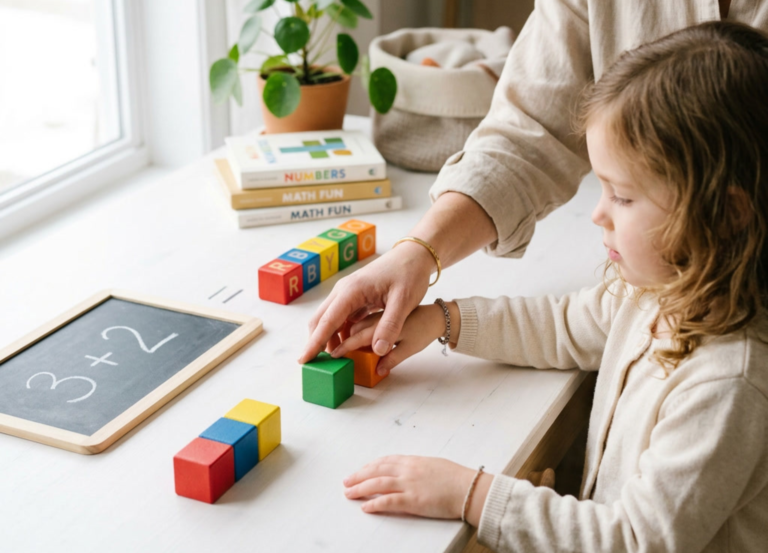
How to help a child who hates math: 7 easy ways

If your child says, “I hate math,” you’re probably feeling stuck, frustrated, or even worried about their future in school.
Maybe homework ends in tears. Maybe every math worksheet turns into a battle. Or maybe your child shuts down the moment numbers appear.
And as a parent, that can feel incredibly heavy.
You want to help because you want your child to feel confident in school. But after repeating the same explanations over and over, trying different worksheets, or sitting through another exhausting homework session, you may feel like nothing is working.
Sometimes it even makes parents question themselves:
Am I doing something wrong?
Why is this so hard for my child?
Will they always struggle with math?
If you’ve ever felt this way, you are not alone.
The truth is, many children struggle with math, not because they’re lazy or “bad at numbers,” but because math has started to feel stressful, overwhelming, or emotionally exhausting.
And once a child begins associating math with frustration, pressure, embarrassment, or failure, they naturally start avoiding it.
That’s why forcing more worksheets or longer study sessions often makes things worse instead of better.
But here’s the encouraging part: this cycle can change.
Your child does not need to become a math genius overnight. They simply need to start feeling safer, calmer, and a little more confident around math again.
And often, the smallest changes at home can make the biggest difference.
Here are 7 simple ways to help your child feel more confident with math again.
Pin it for later!

How to help a child who hates math without stress or tears
1. Stop the long, exhausting math sessions
When a child already feels overwhelmed by math, long study sessions can quickly become emotionally draining.
Many parents think more time automatically means more progress. But for frustrated children, sitting at the table for an hour often leads to shutdowns, tears, anger, or complete loss of focus.
Shorter sessions are usually far more effective.
Even a calm 10-minute session can help a child learn better than an hour filled with stress and pressure.
Sometimes, stopping before your child becomes overwhelmed is the best thing you can do.
2. Keep math practice short and manageable
Do you remember when I said children who struggle with math often feel mentally exhausted very quickly? This is because they are overwhelmed.
That’s why small daily practice tends to work better than trying to do everything at once.
A few minutes a day feels less intimidating. It also helps children approach math without immediately feeling anxious or defeated.
And the best part? Short sessions feel achievable.
When children start experiencing small moments of success instead of constant frustration, their confidence slowly begins to grow again.
You do not need perfect routines or hours of studying.
Consistency matters much more than intensity.
3. Celebrate small wins more often
Parents naturally focus on what still needs improvement.
But children who struggle with math already notice their mistakes constantly. Many of them quietly believe they’re “not smart enough,” even if they never say it out loud.
That’s why small encouragement matters more than most parents realize.
Celebrate things like:
- Trying without giving up
- Solving one problem independently
- Staying calm during practice
- Remembering something from yesterday
- Finishing a short worksheet
These moments may seem tiny to adults, but to children, they build confidence.
And confidence is often the missing piece in math learning.
4. Repeat concepts instead of rushing ahead
One of the biggest reasons children begin hating math is because they feel left behind.
Math builds step by step. If a child misses one important foundation, everything afterward starts feeling confusing, too.
And when lessons keep moving forward without enough repetition, children often stop asking questions altogether because they feel embarrassed.
Slowing down is not failure.
Repeating basic concepts helps children feel secure again. And when children finally understand something they once struggled with, their entire attitude toward math can begin to shift.
Progress does not need to be fast to be meaningful.
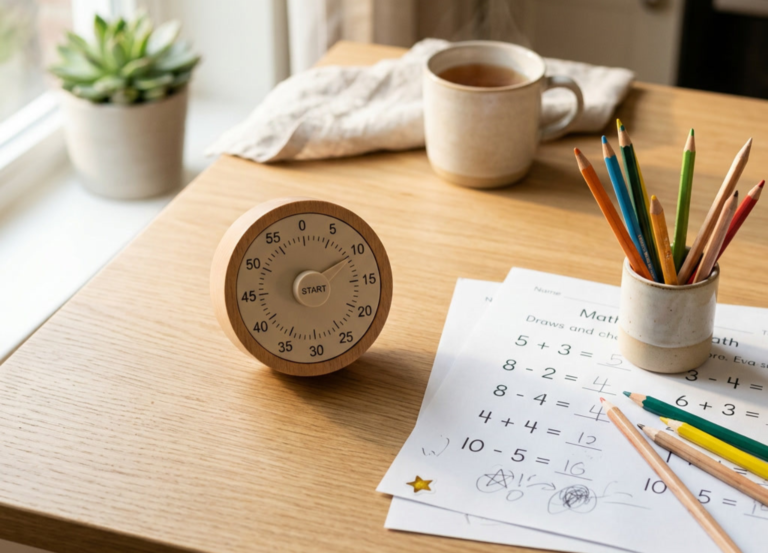
5. Use simple, calm worksheets
Sometimes worksheets themselves can feel overwhelming.
Too many colors, crowded pages, long problem sets, or complicated instructions can make children feel stressed before they even begin.
Simple worksheets are often far more effective for struggling learners.
Clear layouts and smaller tasks help children focus on one thing at a time without feeling overloaded.
I really think that when math feels visually calmer, children often become calmer too.
6. Remove as much pressure as possible
Many children don’t hate math itself—they hate how math makes them feel.
They may fear getting the answer wrong.
They may feel embarrassed in class.
They may compare themselves to classmates or siblings.
They may already believe they’re “bad at math.”
As parents, it’s hard not to worry about grades or progress. But pressure usually increases fear, and fear blocks learning.
Try to create an environment where mistakes feel normal.
Avoid:
- Comparing your child to others
- Expecting perfection
- Reacting strongly to wrong answers
- Turning every session into a test
Children learn best when they feel emotionally safe.
As a parent, you need to know that sometimes your calmness becomes the reason they stop fearing math.
7. Make math part of a gentle daily routine
Children often resist math because it feels unpredictable and stressful.
A simple routine can help remove some of that emotional resistance.
It does not need to be complicated.
Maybe it’s:
- 10 minutes after school
- A short worksheet before dinner
- Quick practice every morning
- Simple counting during everyday activities
The goal is to make math feel normal—not scary.
Over time, consistent routines help children approach math with less anxiety and more confidence.
And little by little, the emotional struggle becomes smaller.
Final thoughts
If your child hates math right now, it does not mean they will struggle forever.
And it certainly does not mean they are incapable or unintelligent.
Many children simply need more patience, more repetition, less pressure, and a learning environment that feels calm instead of overwhelming.
The goal isn’t to make your child suddenly love math overnight.
The goal is to help math feel a little easier, less stressful, and less emotional.
Because when children start feeling capable again, everything begins to change from there.
And as a parent, your support matters more than you probably realize.
A simple daily structure can make this process feel so much easier—and I’m currently working on something that helps with exactly that.